


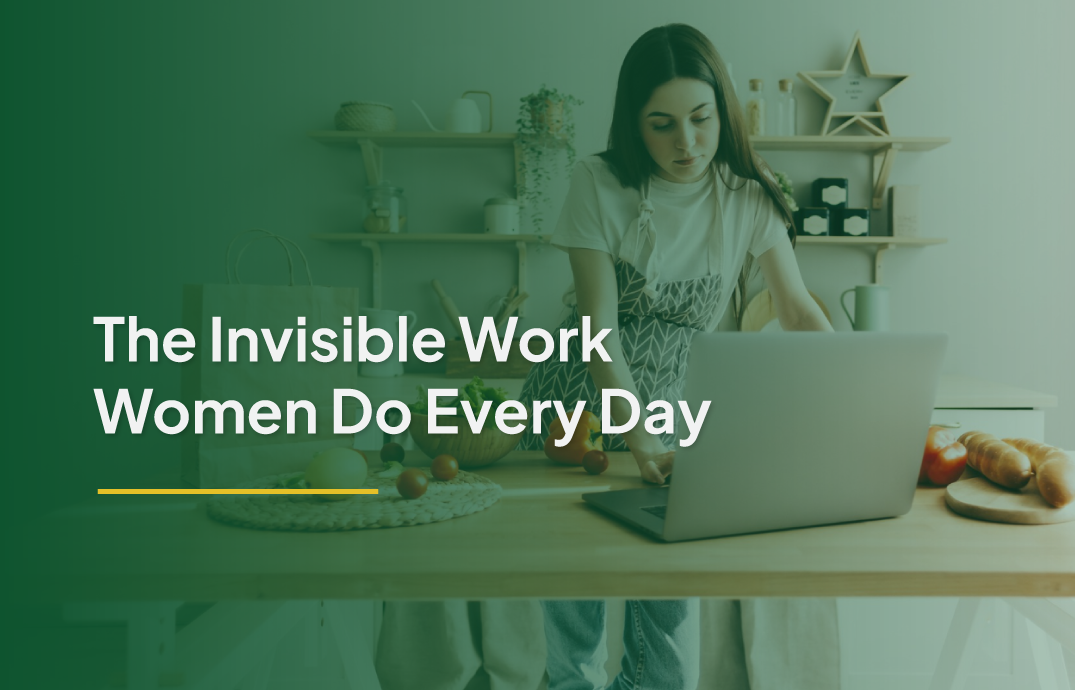
Before the day even begins, many women are already managing a hundred invisible things.
Remembering school schedules. Planning meals. Checking if the bills are paid. Noticing when someone in the family is feeling low. This work rarely appears on a to-do list, but it keeps families running every single day.
This Women’s Day, appreciation is beautiful; but what truly makes a difference is sharing the load.
Understand the Invisible Work Women Carry
The first step to easing the life of the women around you is recognizing the work that often goes unseen. Beyond visible responsibilities like cooking or managing the household, many women carry a significant mental and emotional load that keeps everyday life running smoothly.
This invisible work includes constantly planning, remembering, organizing, and supporting everyone in the family. It’s the mental checklist running in the background—making sure groceries are stocked, appointments are scheduled, school updates are tracked, and family members feel emotionally supported.
Because this effort is rarely acknowledged, it can quietly become overwhelming over time. Recognizing and appreciating this invisible work is important, but even more meaningful is actively sharing the responsibility that comes with it.
Share Responsibility, Not Just Tasks
Easing the life of the women in your life isn’t about occasionally “helping out.” It’s about sharing the responsibility that comes with running a home and supporting a family.
Often, women are not only doing the tasks but also managing the planning behind them, deciding what needs to be done, when it should happen, and reminding others to do it. When someone simply asks, “What should I help with?”, the mental load of planning still remains with them. True partnership means taking ownership instead of waiting for instructions. This could mean handling certain responsibilities from start to finish, whether it’s managing grocery runs, planning meals for the week, keeping track of school schedules, or organizing family commitments.
When responsibilities are shared, not just delegated, it creates a sense of balance in the relationship. It shows that both partners are equally invested in building a supportive, well-functioning home. And often, it’s these small shifts in responsibility that make everyday life significantly lighter for the women who have been carrying it for years.
Reduce the Daily Mental Load
One of the most meaningful ways to ease a woman’s life is by helping reduce the constant mental load she carries every day. The mental load is not just about completing tasks, it’s about remembering, planning, anticipating, and keeping everything running smoothly in the background.
Many women are often the default planners in the family. They remember doctor’s appointments, track school schedules, plan meals, organize family events, and make sure nothing important slips through the cracks. Over time, constantly managing these details can become exhausting.
Reducing the mental load starts with taking initiative instead of waiting to be asked. This could mean handling recurring responsibilities, keeping track of important dates, planning certain household tasks, or proactively stepping in when something needs to be done.
Small actions like planning the week’s groceries, managing bill payments, or organizing a family outing without relying on reminders can make a big difference. When responsibilities are shared thoughtfully, it helps create a more balanced and supportive environment where no one person has to carry everything alone.

Raise the Next Generation Differently
One of the most powerful ways to ease the lives of women is by raising the next generation with a healthier understanding of responsibility and partnership. The way children see roles at home often shapes what they believe is “normal” in relationships later in life.
When children grow up watching one person carry most of the household and emotional responsibilities, they may unknowingly repeat the same patterns. But when they see teamwork, where both partners contribute, communicate, and support each other it creates a very different foundation.
Teaching children that household responsibilities belong to everyone is a great place to start. Simple practices like involving both boys and girls in chores, decision-making, and family planning help normalize shared responsibility from a young age.
Just as important is modeling respectful communication and partnership between adults. When children see parents working together, appreciating each other, and sharing the load, they learn that healthy relationships are built on mutual respect, balance, and cooperation.
By raising children with these values, we’re not just supporting the women in our lives today; we’re building more balanced and supportive relationships for the future.
Small Everyday Actions That Make a Big Difference
Sometimes, easing the life of the women around you doesn’t require grand gestures. In many cases, it’s the small, consistent actions that make the biggest difference. When everyday responsibilities are shared thoughtfully, it reduces stress and creates a more balanced partnership. Here are a few simple ways you can start:
- Plan a meal without being asked – Decide the menu, arrange the groceries, and handle the cooking or ordering.
- Take care of school drop-offs or pickups for the week – Managing even one routine responsibility can significantly reduce daily pressure.
- Take charge of weekend planning – Organize family activities, outings, or relaxation time so she doesn’t have to plan everything.
- Manage one household responsibility end-to-end – This could be groceries, bill payments, children’s activities, or home maintenance. Owning the task completely makes a real difference.
- Ask “How can I support you today?” – Sometimes the most meaningful help begins with simply checking in and being willing to step in where needed.
These small actions may seem simple, but when practiced consistently, they send a powerful message: you’re not just helping; you’re sharing the journey together.

Making life easier for the women in your life doesn’t always require big gestures. More often, it’s about awareness, intention, and shared responsibility in everyday life. Recognizing the invisible work they carry, taking initiative, and creating a more balanced partnership can make a meaningful difference.
Women’s Day is a wonderful reminder to appreciate the women around us—but the real change happens in the small actions that continue long after the day is over.
Healthy relationships grow when partners communicate openly, understand each other’s needs, and work together to create balance. Sometimes, the most important step is simply starting the right conversations.
That’s where tools like Aligna can help, by giving couples a space to talk, reflect, and build stronger, more supportive partnerships together.